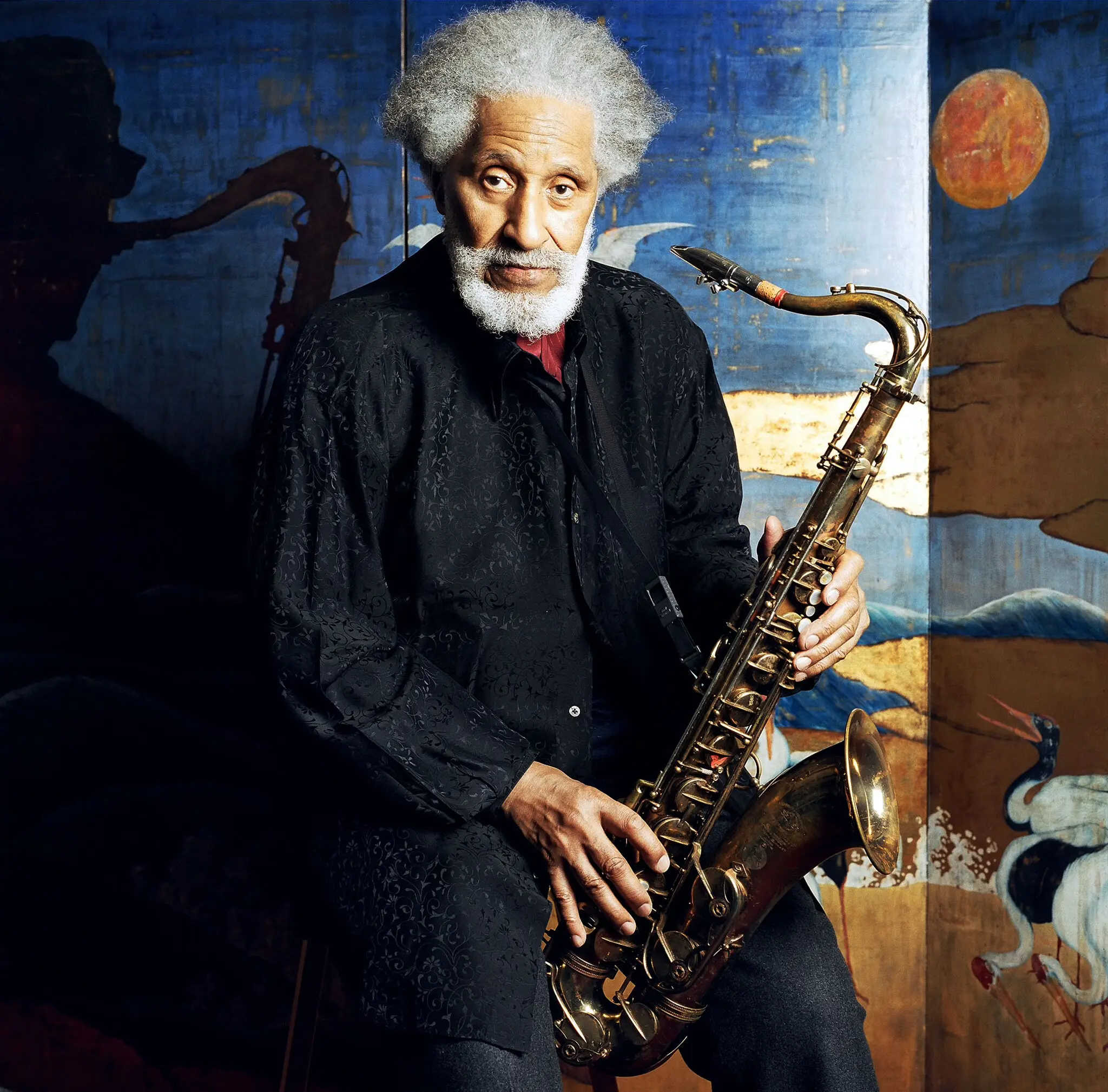
The jazz world is mourning the loss of legendary saxophonist Sonny Rollins, whose bold, inventive, and deeply influential approach to the tenor saxophone helped define modern jazz. Rollins died Monday at his home in Woodstock, New York, at the age of 95, according to a statement released by his publicist, Terri Hinte.
Widely regarded as one of the greatest jazz improvisers of all time, Rollins stood apart even in a genre celebrated for individuality. Emerging during the rise of bebop in the late 1940s, he developed a powerful and unmistakable sound inspired by earlier jazz greats such as Coleman Hawkins while embracing the harmonic complexity and rhythmic innovation of the bebop era.
Throughout a career spanning more than seven decades, Rollins collaborated with iconic figures including Miles Davis, Thelonious Monk, and Max Roach. His fearless improvisation, willingness to take artistic risks, and refusal to repeat himself earned him lasting admiration from critics, musicians, and fans alike.
Born in Harlem on September 7, 1930, Rollins began studying music at a young age and was performing professionally before turning 20. Despite personal struggles, including a battle with heroin addiction in the early 1950s, he overcame adversity and emerged as one of the most celebrated jazz musicians of his generation.
Known for classics such as Saxophone Colossus and his groundbreaking live performances, Rollins continually pushed the boundaries of jazz while remaining committed to artistic growth. He famously stepped away from performing at the height of his fame in the late 1950s, later explaining that he wanted to improve his playing rather than settle for artistic complacency.
Sonny Rollins leaves behind a monumental legacy that transformed jazz and inspired generations of musicians worldwide. His music, creativity, and relentless pursuit of originality will continue to resonate for years to come.